Talking about scams: How to start the conversation and protect your military community

Military Consumer Month 2025
Scammers thrive in silence. That’s why starting the conversation—with your family, unit, neighbors, or fellow veterans—is one of the most powerful ways to fight fraud.
During Military Consumer Month 2025, we’re not just encouraging the military community to report scams—we’re asking you to talk about them. Because when we talk, we share warnings. When we share, we stop scams in their tracks.
Why it’s hard to talk about scams—and why we need to
Research shows that among military consumers who didn’t report a scam, 43.8% said they didn’t know where to report it, and 11.9% said they felt too embarrassed to report the incident.
Whether someone lost money or caught a scam before it worked, many don’t speak up. The reasons?
- Embarrassment or shame
- Uncertainty about what counts as a scam
- Feeling like nothing can be done
But the truth is: scams are designed to fool smart, capable people. And talking about them helps others avoid the same trap.
How to start a conversation—without it feeling awkward
You don’t have to be an expert to make a difference. Sometimes it just takes one honest conversation to protect someone from a scam. Here are some natural ways to bring it up:
With a friend or family member
“Hey—have you heard about those scams going around targeting military families? Like the ones asking for employment or investment crypto? I saw something sketchy the other day and it made me think.”
“I didn’t realize how often people spot scams but don’t report them. I’ve been making a point to talk about it more—especially in our community.”
With your unit or team
“Military Consumer Month is pushing this thing about reporting scams—even the ones that don’t work. Might be worth a mention at the next briefing or group chat.”
“Hey, did you know being isolated can actually make people more vulnerable to scams? I was just reading about it. If something ever feels off—like a weird message or unexpected call—it really helps to talk it through with someone. A friend, family, your bank… even the BBB can be a great resource.”
“There’s a site from the BBB called Scam Tracker. Super quick to use and you can check if something fishy has happened to others too. I’ve got it saved, just in case.”
With a Veteran or spouse group
“Scammers target vets and families—especially during transitions. I figure if one of us speaks up, it makes it easier for others to share too.”
“If anyone’s ever dealt with a scam, there’s a toolkit that covers next steps and even has resources for the stress that comes with it. It’s actually really helpful.”
Tools to make these conversations easier
Use these free resources to kick-start and support scam conversations:
- BBB Scam Tracker – Search for and report scams targeting the military
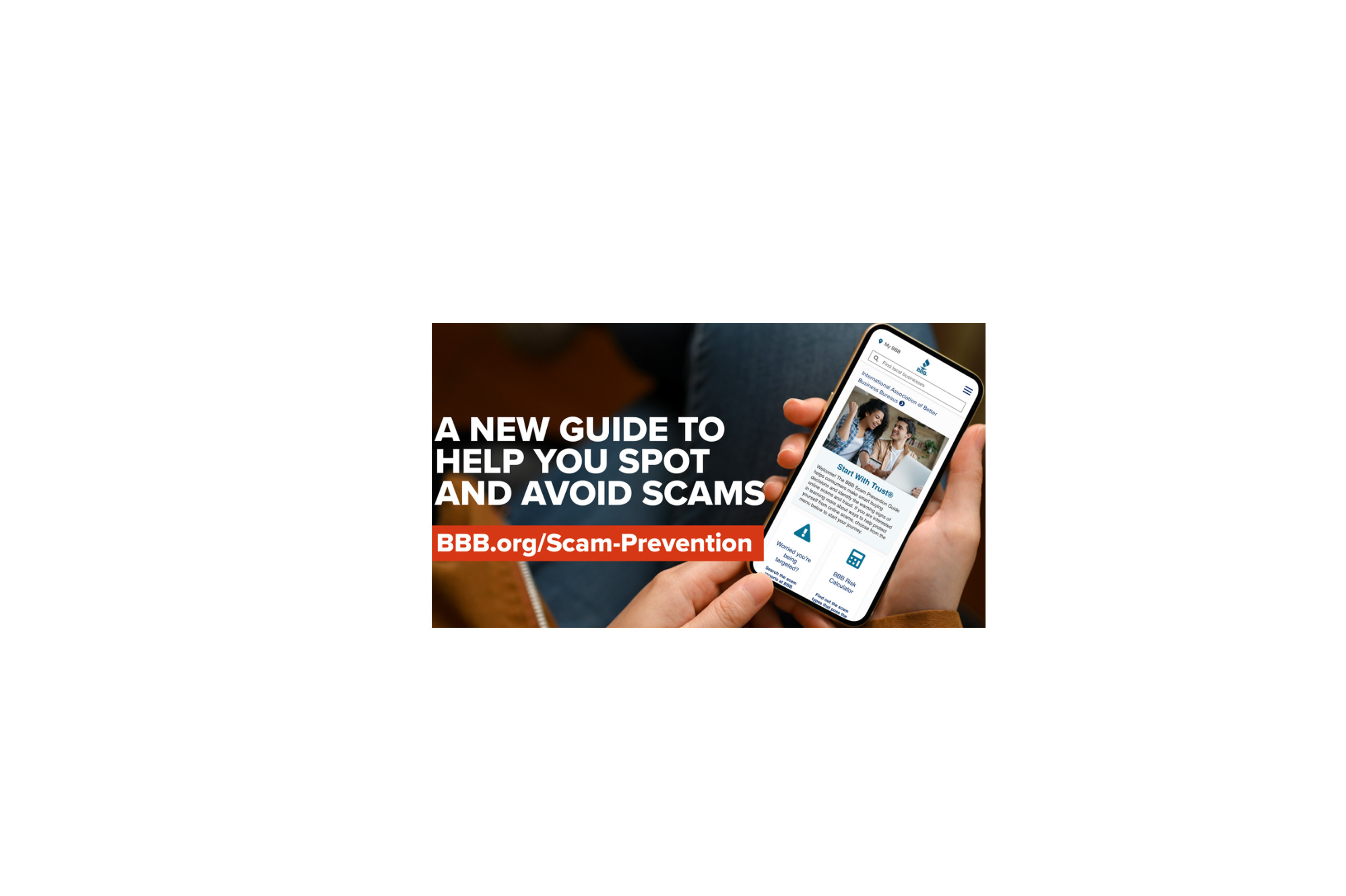
- BBB Scam Prevention Guide – Share with friends or include in group newsletters—the more you know about how scams work, the more protected you are
- BBB Scam Survival Toolkit – Get help if you’ve been impacted by a scam incident
Help break the silence—one talk at a time
This month—and every month—start a conversation. Ask a question. Share a story. You never know who you might be protecting just by speaking up.
Protect what matters most.
Together, we defend our military community—one conversation at a time.
Get involved:
- Share your story: Survivor stories – BBB Scam Survival Toolkit
- Report or search scams: bbb.org/scamtracker
- Join the conversation on Social: #MilConsumer2025
- Download & share: MCM 2025 Digital Toolkit